 Play
AI & authorship
Authorship Panic: Finding the Signal Beyond AI Detection
Why statistical resemblance cannot determine authorship, novelty, or research value.
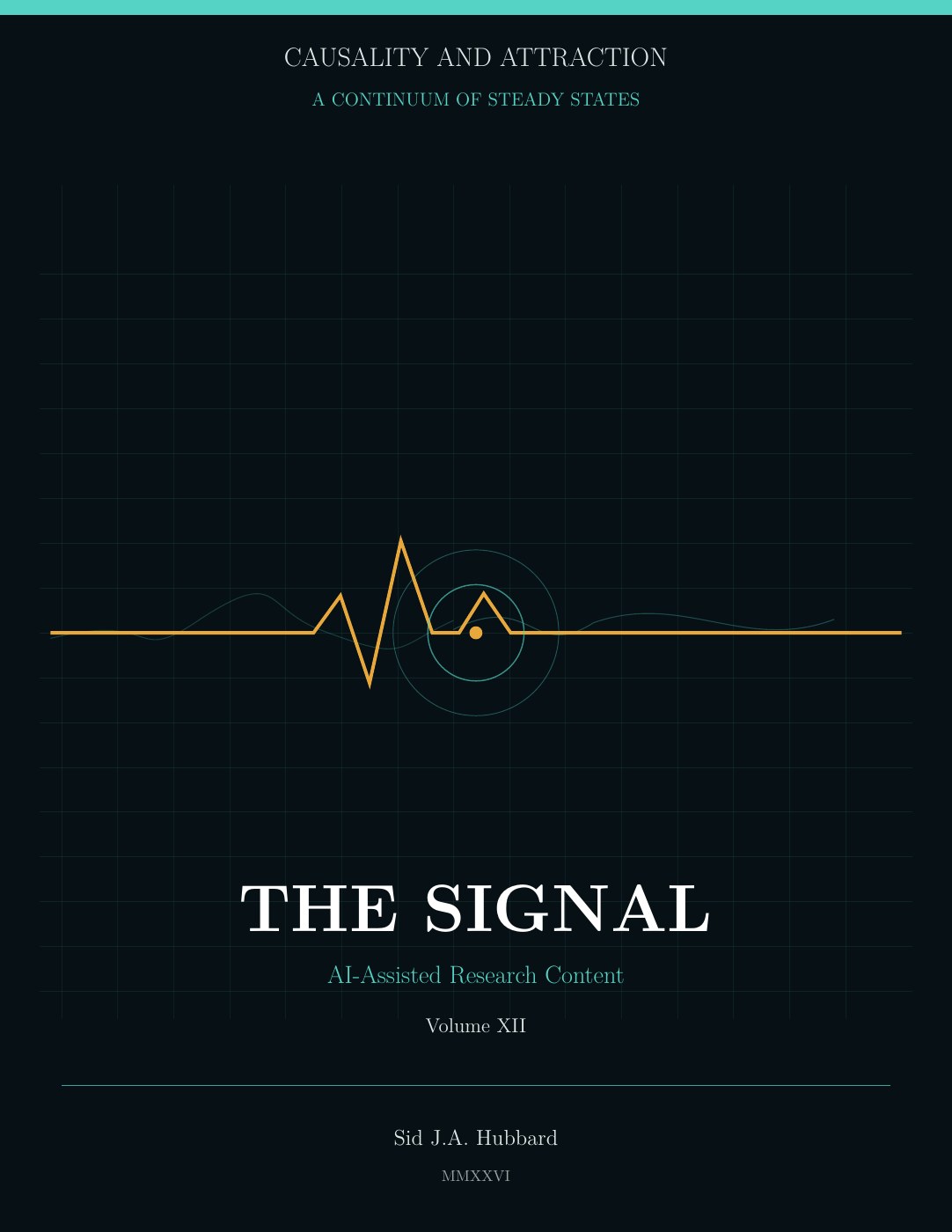
The complete inquiry into authorship, provenance, novelty, and the Signal Protocol.Series 1 · Volume 12 / Published
AI-Assisted Research Content
What should we measure when a detector can estimate resemblance but cannot observe the research process, establish authorship, or decide whether an idea is new?
Published volume
Primary Function
Volume XII examines what is lost when institutions use statistical resemblance to infer the authorship or value of AI-assisted research content. It separates surface similarity from provenance, authorship, novelty, evidence, and responsibility, then develops the Signal Protocol and a novelty ledger for evaluating work whose destination emerged through human-machine inquiry.
Read this volume from the page placed before a detector to a research culture that preserves its signal by evaluating provenance, novelty, reasoning, evidence, reproducibility, utility, and responsibility as distinct coordinates.
Inside This Volume
AI-assisted research content and the impossible commission
Why resemblance cannot determine authorship
Human and machine language inside one active enclosure
Provenance as a bounded instrument rather than a verdict
The novelty ledger and generation distance
The Signal Protocol: provenance, novelty, reasoning, evidence, utility, and responsibility
Related Material
Play
AI & authorship
Why statistical resemblance cannot determine authorship, novelty, or research value.
The complete inquiry into authorship, provenance, novelty, and the Signal Protocol.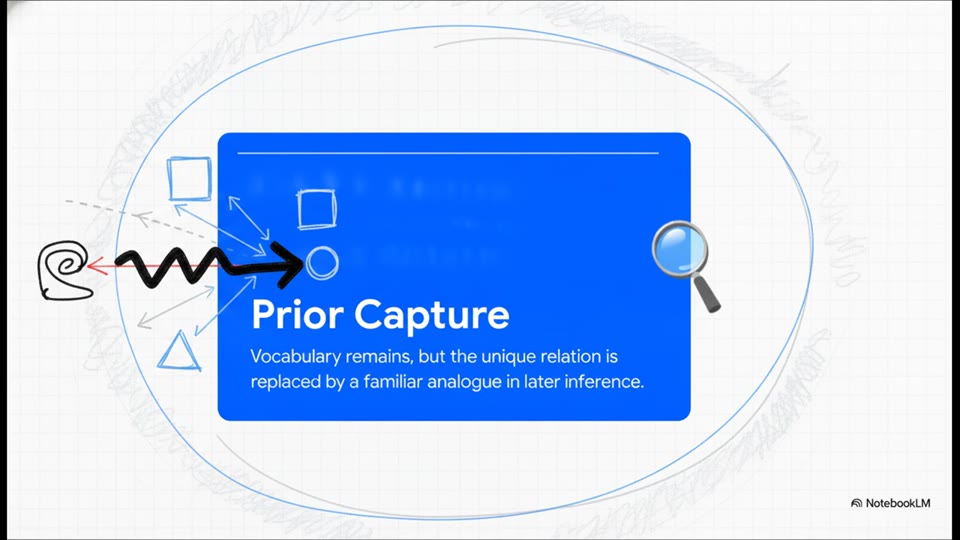 Play
AI & authorship
How an inherited premise can silently enclose every answer that follows.
Extends provenance and novelty evaluation beyond surface resemblance.