 Play
Play
Computer systems
America’s Hacker War
How an unstable authorization boundary reshaped American computer security and exported technical talent.
The full historical and structural inquiry into the hacker.Series 1 · Volume 9 / Published
How America Lost Control of the Systems It Invented
What happens to a technological civilization when the law governing access also governs how its people may learn where their systems fail?
Published volume

Primary Function
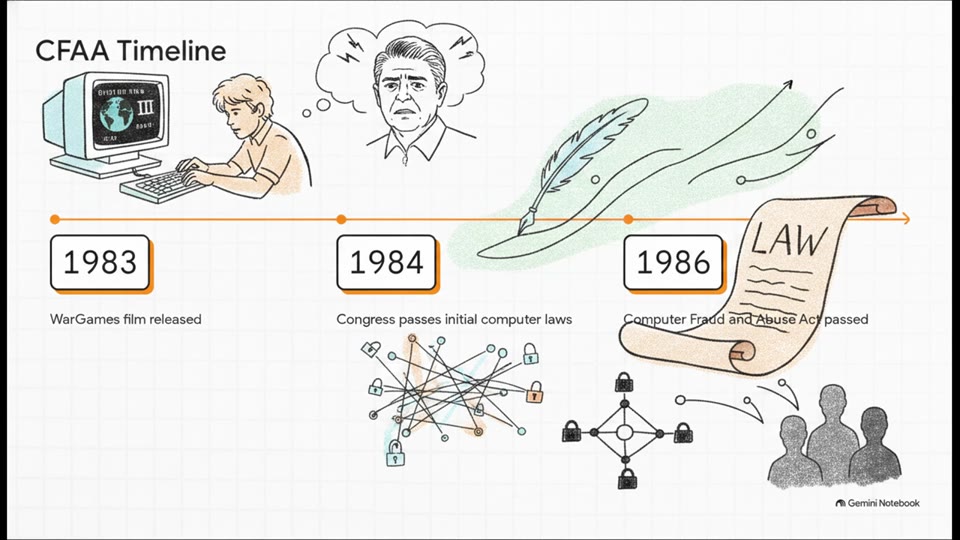
Volume IX examines what happened when American computer law placed criminal force around an unstable boundary called authorization. It traces the CFAA, exemplary prosecutions, infrastructure seizure, domestic surveillance, the migration of security knowledge beyond the United States, and a proposed domestic red-team enclosure that separates exploration from completed harm.
Read this volume for its historical and structural inquiry from the Cold War authorization boundary through the conditions required for security research to return safely to the domestic enclosure.
Inside This Volume
Authorization as a legal and computational enclosure
The distinction among exploration, acquisition, fraud, destruction, and espionage
How prosecution and surveillance reshape domestic technical learning
The foreign hacker as the exterior produced by an American boundary
Security as organized knowledge of insecurity
A domestic red-team enclosure and the return of the computer
Related Material
Play
Computer systems
How an unstable authorization boundary reshaped American computer security and exported technical talent.
The full historical and structural inquiry into the hacker.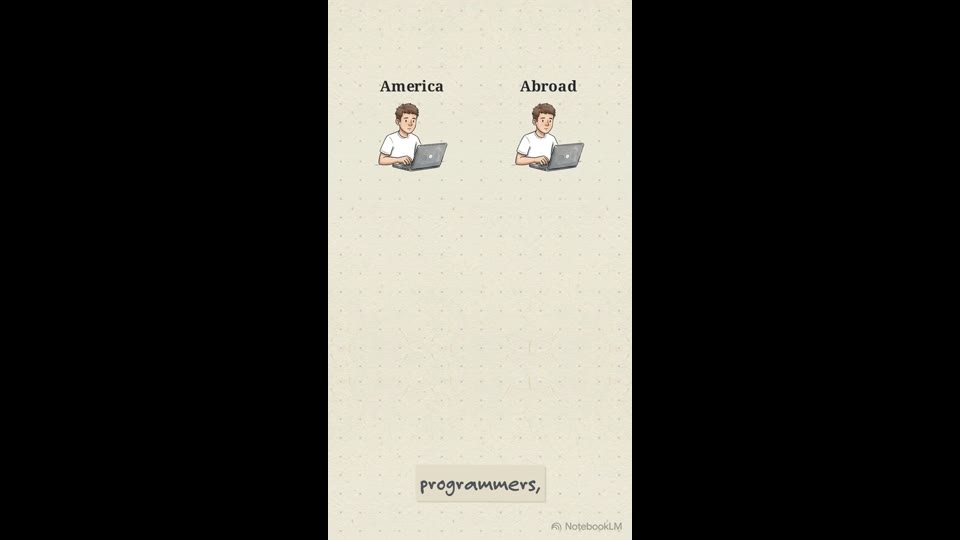 Play
Play
Computer systems
A short account of how legal boundaries can redirect security learning outside the systems that need it.
Provides the historical record and full structural argument. Play
Play
Computer systems
How a legal boundary turned a method of learning into a durable social category.
Examines authorization as both legal and computational enclosure. Play
Play
Computer systems
A brief history of computer law’s role in separating technical exploration from legitimate domestic work.
The complete account of computer law, security research, and return.